 EU: Free Shipping starting from €109
 Great customer care

 B2B Wholesale |


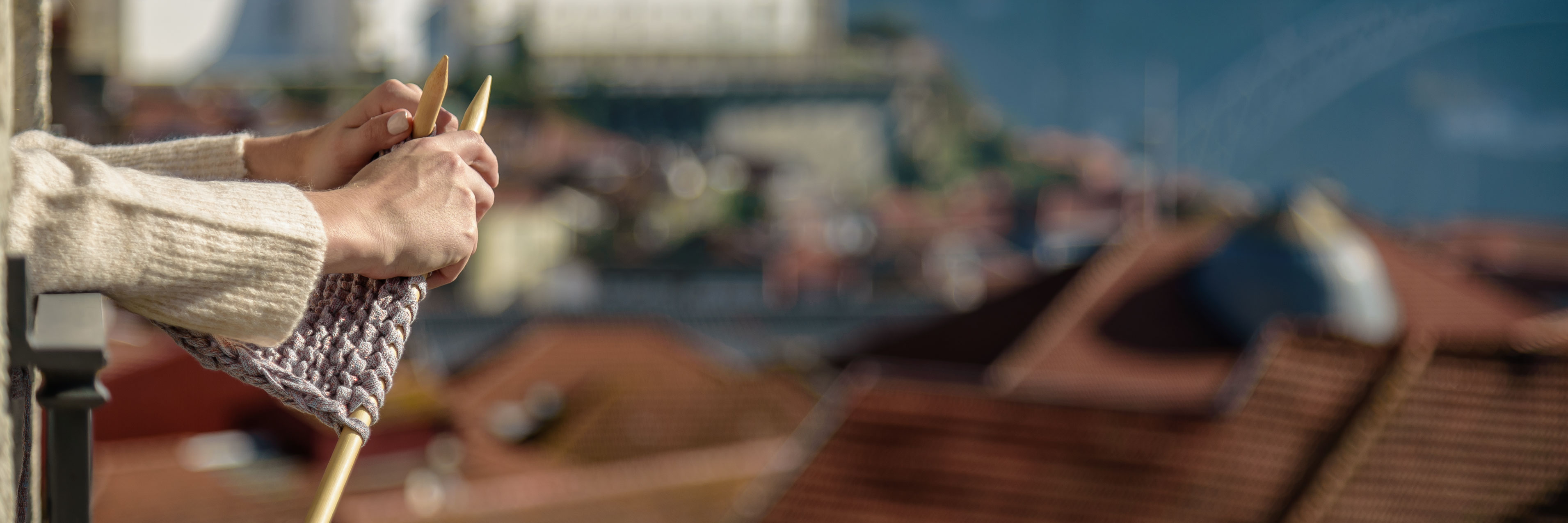
Health Benefits of Handmade Crafts
Handmade Crafts and Wellbeing
Crochet, knitting, macramé, and other fiber crafts are often seen as creative hobbies. But for many people, they’re also part of how they manage stress, improve focus, and feel better day to day.
At Hoooked, we see crafting as more than making something beautiful. It’s a way to slow down, reset your mind, and reconnect with your hands.
Large-scale research supports this. In a study of over 8,000 knitters and crocheters, 89.5% reported feeling calmer after crafting, 82% felt happier, and 74.7% felt more useful. Many participants also said they use crafting to cope with anxiety, depression, chronic pain, or grief.
89,7% of crocheters and knitters feel calmer after crafting
Mental Health Benefits
Crafting has a unique way of calming the mind without forcing stillness.
The repetitive motion of stitching or knotting helps regulate attention and can reduce the feeling of mental overload. Instead of trying to “switch off,” your mind stays gently engaged in something structured and predictable.
- Supports stress and anxiety relief: In large participant studies, most people reported feeling noticeably calmer after knitting or crochet sessions, often using it as a tool to manage anxiety or low mood.
- Improves mood and sense of purpose: A significant number of crafters report feeling happier and more useful after creating something by hand, which can be especially meaningful during difficult periods.
- Helps process complex emotions: Crafting is often used informally to cope with grief, chronic pain, or life transitions, offering a steady and comforting activity.
Recent population-level research also suggests that engaging in crafts is associated with higher wellbeing and even contributes to a stronger sense that “life is worth living,” highlighting its role beyond simple relaxation.
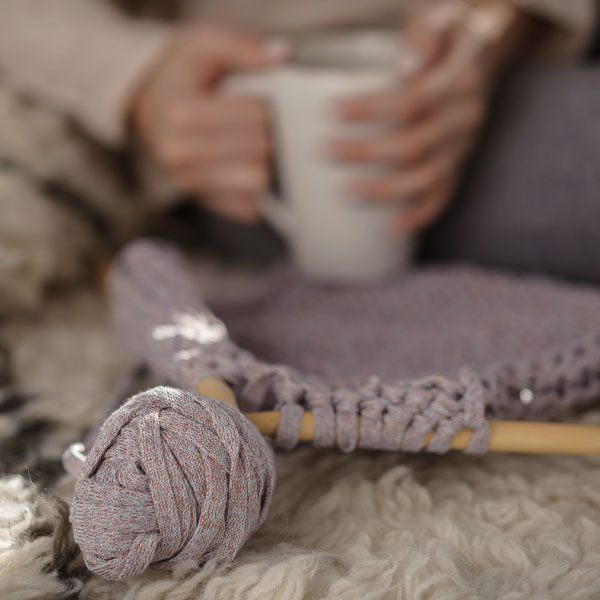
Contributes to a stronger sense that "life is worth living"
Cognitive & Focus Benefits
Crafting doesn’t just relax the mind, it actively engages it.
Following patterns, learning stitches, and correcting mistakes require attention, coordination, and problem-solving. This combination supports both focus and cognitive flexibility.
- Improves attention through active learning: Studies show that learning crochet as a motor skill can increase attention levels, as it requires coordination between hands, eyes, and memory.
- Encourages deep focus (“flow”): Many people experience a state of immersion while crafting, where attention becomes fully absorbed in the task.
- Stimulates the brain in a balanced way: Crafting combines structure (patterns) with creativity, engaging multiple cognitive processes at once.
This is why crafting is often linked to trends like mindful making, focus training, and slow productivity.
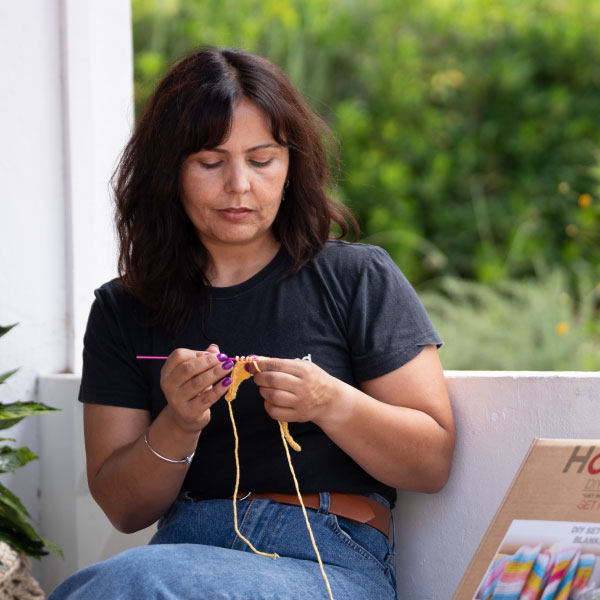
Stimulates the brain in a balanced way
Physical & Motor Benefits
While crafting feels gentle, it still involves consistent and meaningful movement.
The small, repetitive actions used in crochet, knitting, and macramé engage fine motor skills and coordination, which can be beneficial over time.
- Maintains hand and finger dexterity: Repeated stitching supports coordination and control in small muscle groups.
- Encourages gentle movement: Crafting keeps the hands active without strain, making it accessible for different ages and abilities.
- Supports everyday mobility: These movements are often used in rehabilitation settings to help maintain or rebuild hand function.
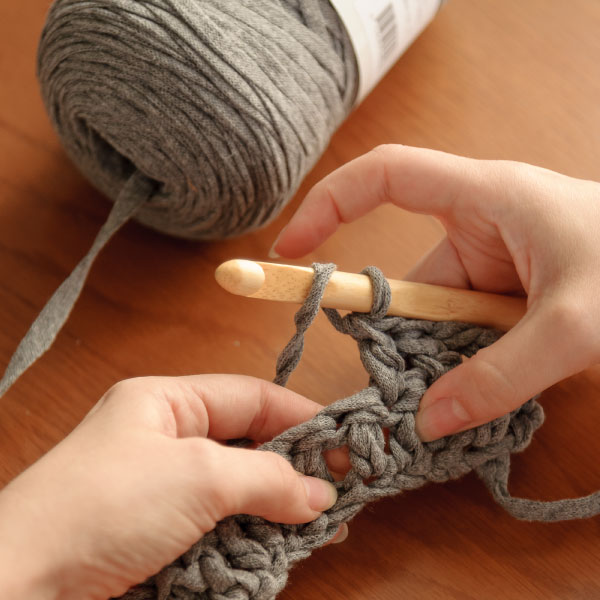
Movements often used in rehabilitation settings
Social Connection & Modern Wellbeing
Crafting is also part of a wider shift toward slower, more intentional lifestyles.
Whether it’s sharing projects, joining workshops, or simply gifting something handmade, these activities create meaningful connection.
- Reduces feelings of isolation: Craft communities, both online and offline, provide shared spaces for creativity and support.
- Encourages offline time: Crafting offers a break from screens and constant digital input.
- Builds confidence and identity: Finishing a project creates a real sense of achievement you can see and hold.
Some researchers now argue that crafts should be more actively supported at a public health level, suggesting that governments could help fund or even prescribe creative activities as part of mental health care.
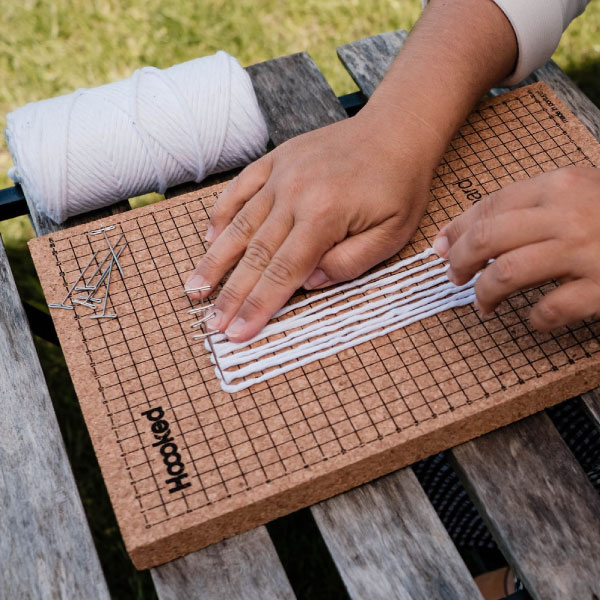
Craft communities provide spaces for creativity and support
Why It Works
The impact of crafting comes down to a simple combination: repetition, focus, and creativity.
Together, these help calm the nervous system, engage the brain, and create a sense of progress and purpose. It’s a small, hands-on activity with a surprisingly wide effect.
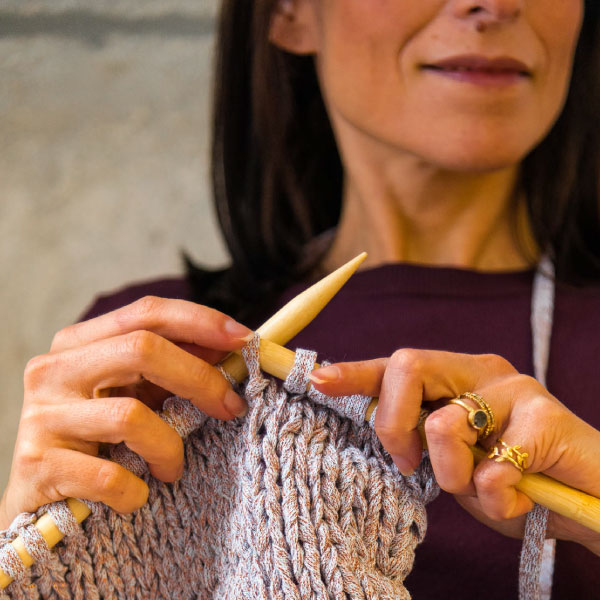
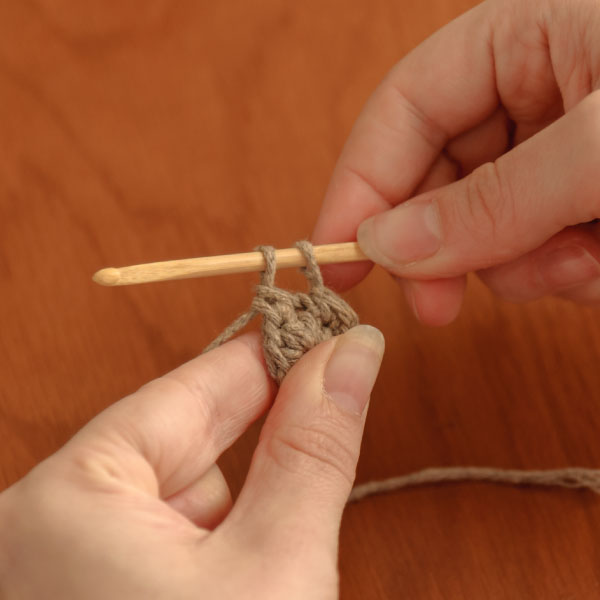
Crafted the Hoooked Way
At Hoooked, we design yarns and kits that make it easy to get started and stay engaged in mindful making.
From recycled materials to beginner-friendly projects, everything we create is designed to support that moment where your focus shifts, your hands take over, and things start to feel a bit lighter.
Because it’s never just about what you make. It’s about how it makes you feel.
References
- Riley et al. (2020) – Large-scale study on knitting and crochet wellbeing (8,391 participants)
- Recent study on crochet and attention (motor skill learning and focus)
- Population study on crafting and wellbeing (7,182 participants, “life is worth living” effect)
- WHO report on arts and health (Fancourt & Finn)